Sexual Harassment and Assault in Trail and Ultrarunning: Key Findings
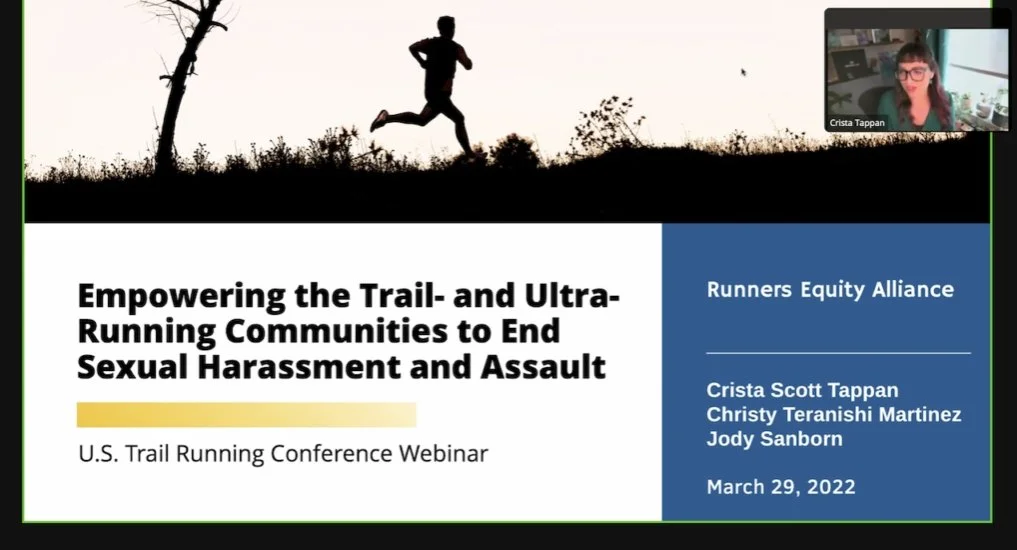
The first large-scale, mixed-methods study focused specifically on sexual harassment and assault (SHSA) in the trail and ultrarunning communities.
SOURCE: CALIFORNIA STATE UNIVERSITY - CHANNEL ISLANDS
This is the first major study to quantify and contextualize sexual harassment and assault (SHSA) in the trail and ultrarunning world, highlighting how normalized harassment alters participation and safety perceptions. An initiative of the Runners Equity Alliance, formed in 2020 by a group of female trail and ultrarunners, the study aims to empower the ultra and trail running communities to end SHSA through evidence-based recommendations.
What you should know:
Among 1,502 trail and ultrarunners across 17 countries, 61% reported experiencing sexual harassment or assault (SHSA). Rates were significantly higher among female (70%) and transgender, non-binary, and gender-fluid runners (60%), compared to 17% of male respondents.
Respondents cited a culture of acceptance and underreaction in trail running communities, where SHSA is often minimized or seen as part of the experience, and blame is shifted onto victims based on clothing, location, or behavior.
Runners with strong community networks were more likely to continue running and feel empowered to share their stories, underscoring the value of peer support and the power of dialogue and disclosure.
The report made a series of evidence-based recommendations to foster change in running culture, such as challenging victim-blaming and normalized harassment, introducing race-day safety measures and codes of conduct, using tools like location-sharing and heat maps alongside cultural change, providing bystander intervention and implicit bias training, and ensuring that solutions are shaped by the lived experiences of women, LGBTQ+ runners, and other marginalized groups.
Learn more:
Read the study in full.
Read more about best practices for creating safe spaces in trail and ultrarunning.
Watch the US Trail Running Conference webinar about the study and its recommendations.