Barriers, Safety, and Belonging: BIPOC Runners’ Experiences in U.S. Trail and Road Running
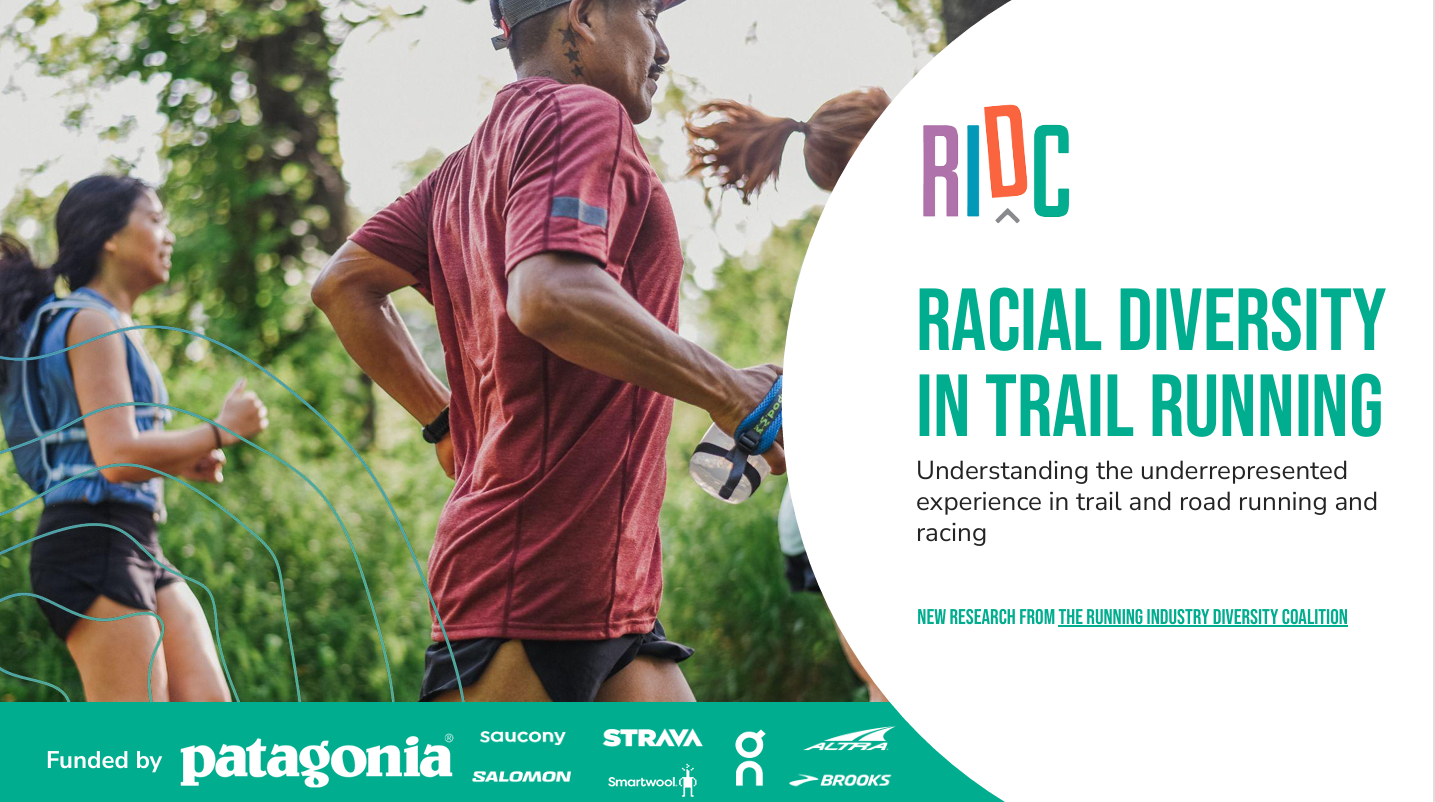
A study to understand barriers, safety, and inclusion for BIPOC runners in U.S. trail, road running and racing.
SOUrce: RUNNING INDUSTRY DIVERSITY COALITION & BENTLEY UNIVERSITY
This research report provides the first comprehensive, data-driven analysis of the experiences of Black, Indigenous, and People of Color (BIPOC) in U.S. trail and road running. Drawing on survey responses from 1,138 participants — 79% of whom identify as BIPOC — alongside focus groups, the study uncovers the unique barriers, safety concerns, and cultural dynamics that shape BIPOC participation, with a particular focus on gendered experiences. The report has sparked ongoing conversations about equity, safety, and belonging in the running community.
What you should know:
63% of BIPOC respondents who feel unsafe on trails are women; safety fears are heightened among women and gender-expansive runners.
Only 47% of BIPOC runners always feel safe on trails (vs. 49% of white runners); just 41% of BIPOC runners always feel safe on roads.
BIPOC runners feel significantly less safe than white runners during both trail and road races (56% vs. 80% always feel safe at trail races).
Common safety adaptations include sharing locations, running in groups, and avoiding isolated trails.
BIPOC runners report feeling like outsiders in predominantly white spaces; “inclusive” is rarely used by BIPOC runners to describe trail culture.
BIPOC women face compounded barriers due to both gender and race, resulting in heightened vigilance, restricted participation, and increased emotional labor.
Learn more: